
US investigation of "block trades"
Has been benefited from large stock sales?
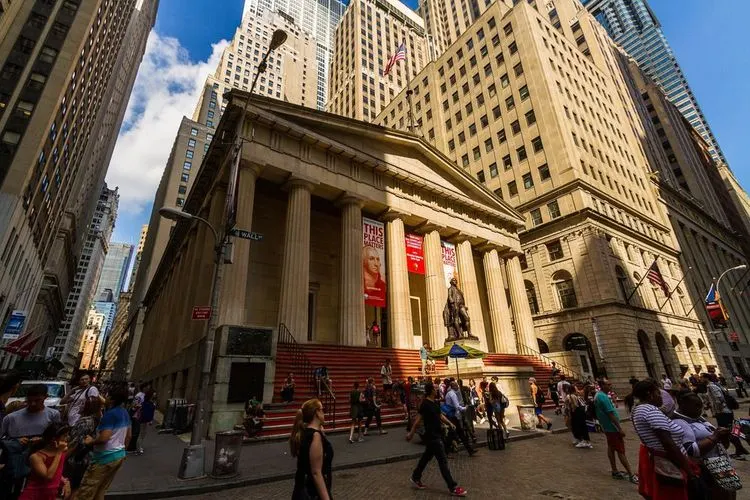
The looming regulatory scrutiny of Wall Street's big stock sales has intensified as regulators look to see if banks and hedge fund dealers are making illicit profits at the expense of institutional sellers and retail investors.
The U.S. Securities and Exchange Commission first began questioning banks with large stock-dealing desks about "block trades" during the Trump administration, according to two people with direct knowledge of the investigation.
Since then, Morgan Stanley, a leading provider of block trading services, has received several requests for information. The regulator has also reached out to other market participants, including hedge funds that trade stocks.
The SEC investigates whether other traders learn about these large sales in advance - either directly from the banks or otherwise - and improperly profit by shorting stocks in anticipation of falling prices.
No enforcement action is imminent and it is not clear that there will be, the people said.
Morgan Stanley declined comment, as did Goldman Sachs, another major player in the market. The investigation was first reported by the Wall Street Journal.
Under Chairman Gary Gensler, the SEC is working to prevent large traders from unfairly profiting from information not available to ordinary investors. This comes largely in the form of new disclosure proposals, but the SEC's Enforcement Division is also part of this effort.
Block trades are a growing business for banks, with U.S. revenue from them growing from $508 million in 2020 to $727.9 million in 2021, according to Dealogic data. In total, $70.8 billion worth of block trades were settled last year, up from $41.4 billion a year earlier.
In these deals, a bank is hired to sell a large amount of a company's stock, either by the company itself or by a major investor.
The bank guarantees the seller a discounted price for the shares and then attempts to sell the shares at a higher price and collect the difference. To gauge market interest, bank traders talk to potential buyers, often hedge funds, sometimes providing details of the trade under a non-disclosure agreement, while sometimes using generic terms to disguise the company in question.
The practice of "wall crossing," meaning talking to buyers, carries the risk that other investors will trade the information, so a block of shares that hits the market is likely to weigh on the stock price.
There have been similar allegations on Wall Street before: In 2005, brokers at Merrill Lynch and Lehman Brothers were accused of eavesdropping on day traders on large market-moving orders and profiting by trading before them.
The convictions in the "Squawk Box" case - named for the internal intercom that dealers listened to - were eventually overturned because prosecutors withheld evidence, but the revelations added to a sense that financial professionals were playing the cards against ordinary investors lay table.