
UN changes its classification of cannabis as a dangerous drug
The move towards "non-dangerous" will open up opportunities for companies in the industry.
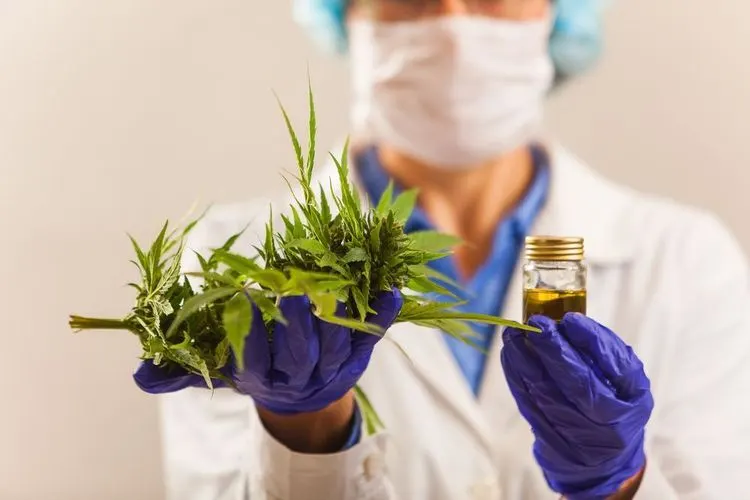
It is official. According to the United Nations, marijuana is no longer considered a Schedule IV drug. After reviewing a number of World Health Organization (WHO) recommendations on marijuana and its derivatives, the UN has decided to remove cannabis from List IV of the 1961 Single Convention on Narcotic Drugs. Marijuana has been listed alongside deadly, addictive opioids, including heroin, for the past 59 years. The 53 member states voted in a historic vote this week with 27 for, 25 against and one abstention. While the drug is considered an illegal recreational drug, it at least shows that the UN recognizes marijuana for its positive benefits. Alfredo Pascual, an analyst for Marijuana Business Daily, said, "The message the Schedule IV deletion sends cannot be overstated. It is an implicit recognition of its therapeutic benefits and that marijuana is not as dangerous as it was before Adopted 60 years ago. " According to the WHO, cannabidiol (CBD) - a non-intoxicating compound of the marijuana plant - is not subject to international controls. Marijuana is still subject to Schedule I restrictions. "We welcome the long-overdue recognition that cannabis is a medicine," said Ann Fordham, executive director of the International Drug Policy Consortium. "However, this reform alone is nowhere near enough, as cannabis continues to be misclassified at the international level." "The world has changed since the early 1960s," Pascual told the Times. "We want the U.N., the main drug policy body, to recognize the medical benefits of cannabis. Pascual said the drug's placement on the list has been a major barrier to research into medical uses and if removed it will likely aid international legalization movements. Jessica Steinberg, executive director at cannabis consultancy Global C, told the Times, "This doesn't mean that legalization will just happen around the world, \[but\] it could be a turning point." "Continuing this path not only denies our citizens essential medical products that alleviate suffering, but also betrays public trust," Michael Krawitz, executive director for Veterans for Medical Cannabis Access, told the newspaper.