
Study shows that LSD can be used to treat autism
The psychedelic substance may be helpful in severe cases of the disease.
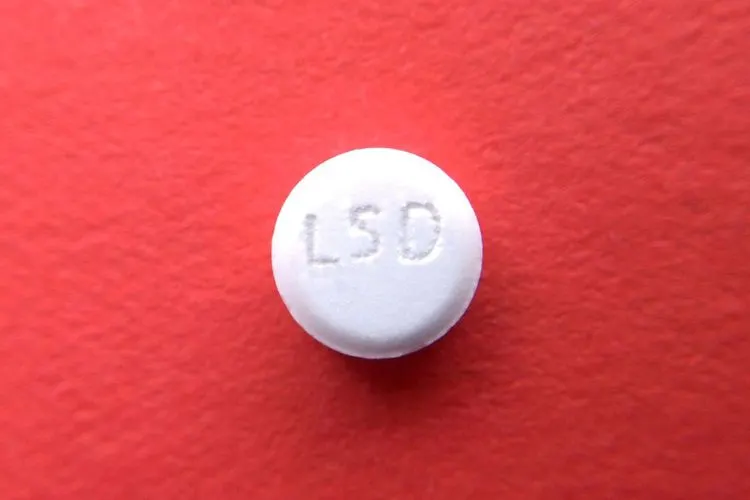
New research shows that lysergic acid diethylamide (LSD) promotes social behavior by indirectly increasing the activity of certain brain receptors in rodents - implying the psychedelic as a possible treatment for some forms of autism. A study led by researchers at McGill University and published in the Journal of the National Academy of Sciences shows that repeated low doses of LSD have an effect on receptors in the medial prefrontal cortex. Mice treated with repeated doses of LSD - but not a single dose - spent more time interacting with unfamiliar mice, the study found. The researchers injected young male mice with a low dose of LSD daily for seven days and performed tests 24 hours after the injections. "To confirm that the prosocial effect is not mouse-specific, we tested male rats with repeated doses of LSD and consistently observed an increased interaction time with an unfamiliar rat," the study continues. Animals were scored based on social behaviors such as nose-to-rump sniffing, nose-to-nose sniffing, and social grooming. Other tests included in vivo electrophysiological recordings and optogenetic experiments, in which they used electricity and light to obtain information by stimulating or inhibiting neurons. The researchers wanted to know how LSD affects a protein complex called mTOR, which has been shown to promote prosocial effects when stimulated. Previous research on autism spectrum disorder (ASD) shows that dysregulation of this particular area can lead to neurodevelopmental disorders that affect socialization. The results show that when LSD interacts with mTOR, it enhances serotonin and glutamate receptors in the brain's medial prefrontal cortex, which is known to induce social behavior.