Settlement with US healthcare workers
Representation of 50,000 nurses and medical staff has negotiated
 Marcus Stuart (MS)October 5, 2026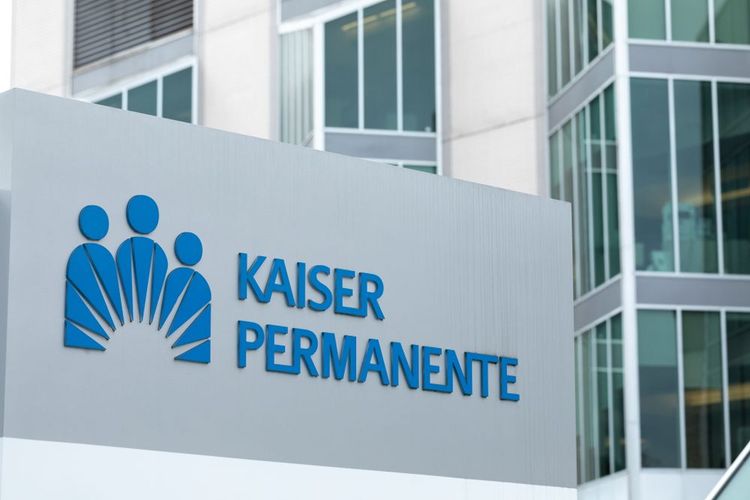
Union leaders representing 50,000 nurses and other medical workers in the United States reached a preliminary settlement with Kaiser Permanente on Saturday, averting a strike that could have disrupted patient care in hospitals.
Thousands of Kaiser Permanente workers in Oregon, California, Colorado and other states threatened work stoppages on Monday because the medical network wanted to introduce a two-tier wage system with lower wages for new hires.
Kaiser and the Alliance of Health Care Unions, which represents 22 local unions, have agreed on a four-year contract that includes annual wage increases through 2025, the union said in a statement. The contract also provides for health and retirement benefits and the introduction of a bonus plan. The statement did not contain any financial details.
"This agreement means that patients will continue to receive the best care and Alliance members will have the best jobs," Hal Ruddick, executive director of the Alliance union, said in the statement. "This contract protects our patients, ensures secure staffing and guarantees fair wages and benefits for every Alliance member," he added.
The union had previously stated that the two-tier wage system would exacerbate the personnel crisis described by the nurses amid a COVID-19 pandemic.
Kaiser is one of the largest nonprofit health networks and managed care organizations in the country, with operating revenues of nearly $ 24 billion in the last quarter.
"This groundbreaking agreement positions Kaiser Permanente for a prosperous future that is focused on delivering quality health care that is affordable and accessible to our more than 12 million members and the communities we serve," said Christian Meisner, senior Vice President and Chief Human Resources Officer at Kaiser Permanente.
The vote on the provisional agreement will take place in the next few weeks and once ratified the agreement will come into effect retrospectively as of October 1, 2021.