Powering AI with Nuclear: Microsoft Revives Three Mile Island for Carbon-Free Energy
Microsoft's AI Ambitions Lead to the Revival of the Historic Three Mile Island Nuclear Plant, Marking a New Era in Carbon-Free Power for Data Centers.
 Editorial Team (ET)October 3, 2026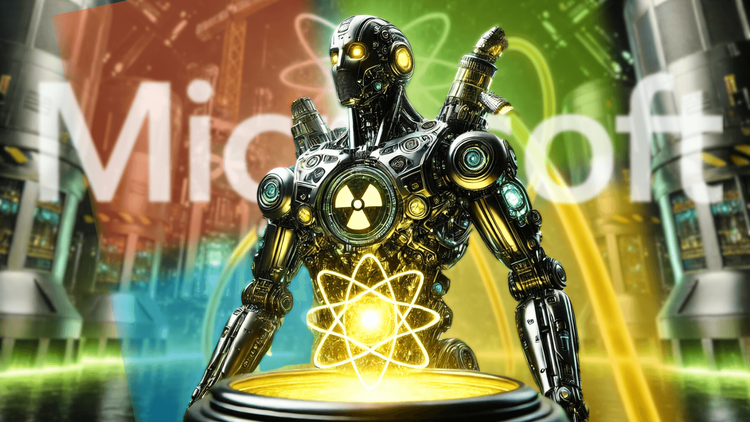
In a groundbreaking move that intertwines the worlds of tech and energy, Microsoft Corp. is taking the bold step of powering its Artificial Intelligence (AI) ambitions with nuclear energy. The tech titan has entered into a historic agreement to purchase all the electricity generated by Three Mile Island’s remaining reactor, located in Pennsylvania—a site infamous for its nuclear meltdown in 1979. This comes as Microsoft’s AI demands for carbon-free, round-the-clock power surge, with Constellation Energy Corp. stepping in to revive the mothballed nuclear plant.
The Three Mile Island Nuclear Plant: A Historic Overview
The Three Mile Island nuclear accident in 1979 marked one of the darkest days in the history of the US energy sector. Following a partial meltdown in Unit 2, one of the reactors was permanently shut down. Though it never saw further activity, the site’s second reactor, Unit 1, continued to operate until 2019, when economic pressures forced it to close. Fast forward to today, and the once-dormant site is poised to be reborn as a beacon of carbon-free energy—thanks to Microsoft’s relentless drive to meet its AI-powered future needs.
Microsoft’s Energy Needs: Powering AI with Nuclear Energy
Artificial Intelligence is no longer just a futuristic idea; it’s here, and it’s growing rapidly. AI-driven innovations demand substantial computing power, which, in turn, requires immense energy. Microsoft, like many other tech giants, is turning to nuclear energy to meet its energy demands sustainably. A long-term agreement between Microsoft and Constellation will provide power from Three Mile Island for the next 20 years, ensuring the AI boom can continue without driving up carbon emissions.
The Carbon-Free Promise of Nuclear Energy
Why nuclear? Unlike wind or solar power, nuclear plants operate 24/7, providing a reliable source of energy—a key advantage for powering data centers. As Microsoft looks to grow its data centers in places like Chicago, Virginia, and Pennsylvania, nuclear energy offers a carbon-free solution that complements other renewable sources. In essence, nuclear power is like a dependable friend who shows up when others can't—offering the constant energy AI systems require.
Constellation Energy’s $1.6 Billion Investment
Constellation Energy, the leading US operator of reactors, is at the helm of this ambitious revival project. The company is investing $1.6 billion to bring Three Mile Island back into operation, all without relying on federal or state aid. It’s a clear bet on the future of nuclear energy and a sign of the growing realization that nuclear power may be the key to addressing both energy demand and climate change.
The Surge in Constellation’s Shares
The market responded enthusiastically to Constellation’s plans, with shares of the company skyrocketing 16% following the announcement. This speaks volumes about investor confidence in nuclear energy's resurgence, driven largely by the increasing demand for sustainable, reliable power for data centers.
Challenges and Timelines: Reviving a Nuclear Plant
Reviving a nuclear plant is no small feat. While Constellation expects Three Mile Island to be back online by 2028, significant work is needed. The company must invest heavily in upgrading critical systems, from transformers to cooling units. It will also need approval from the Nuclear Regulatory Commission (NRC) to extend the plant’s operating license through 2054.
PJM Interconnection and Grid Connection Issues
A key challenge lies in connecting Three Mile Island to the power grid, which is managed by PJM Interconnection LLC. The grid operator’s lengthy approval process could delay the plant’s return to service. Constellation is working to fast-track this process, aiming to have the facility operational as soon as 2027.
Why Microsoft Chose Nuclear Power
Microsoft’s decision to partner with Constellation and choose nuclear power isn’t just about the immediate need for energy—it’s part of the company’s broader mission to run all of its data centers on 100% clean energy by 2025. Nuclear power offers a steady, round-the-clock solution that other renewable sources, like wind and solar, can't always guarantee.
The Importance of Data Center Expansion
With its rapidly growing global network of data centers, Microsoft needs a reliable power source that can match the 24/7 demands of AI. Nuclear energy fits the bill perfectly, providing the consistency needed to support AI-driven innovations that never sleep.
The Broader Context of Nuclear Power’s Revival
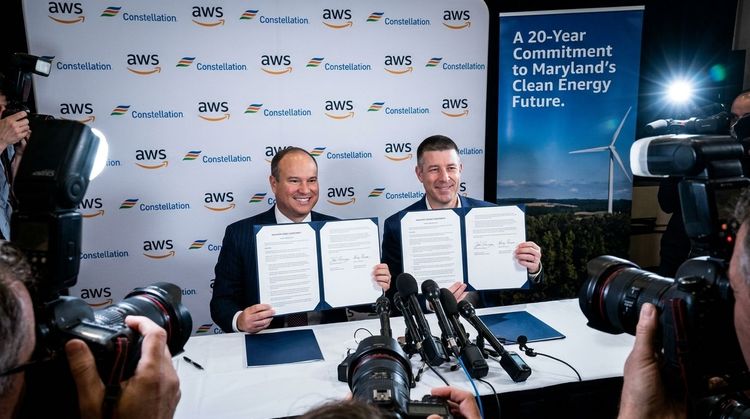
Microsoft is not the only tech giant eyeing nuclear power for its data centers. Earlier this year, Amazon Web Services (AWS) struck a deal to use nuclear power to fuel its own data centers. This broader tech shift toward nuclear energy marks a new era in how power is sourced for the digital age.
The Economic and Environmental Advantages of Nuclear Energy
Nuclear energy is increasingly seen as a viable solution to meet the world’s growing energy needs while minimizing environmental impact. The cost of restarting old reactors like Three Mile Island is justified by the long-term benefits of stable, carbon-free power.
The Crane Clean Energy Center: A Tribute to Chris Crane
As part of the revival, Constellation plans to rename the Three Mile Island site the Crane Clean Energy Center, in honor of the late Chris Crane, the former CEO of Exelon Corp. This renaming is symbolic, highlighting the plant’s new role as a leader in clean energy and a significant player in the global energy transition.
Looking Ahead: The Future of Nuclear Energy in the US
The decision to restart Three Mile Island is more than a power play by Microsoft—it signals a broader shift in energy policy. As the demand for clean, reliable energy grows, nuclear power is poised to make a comeback. The success of this project could pave the way for the revival of other shuttered nuclear plants across the country.
Conclusion
Microsoft’s bold move to harness nuclear energy from Three Mile Island underscores the growing importance of reliable, carbon-free power in the age of AI. As energy demand surges, nuclear power is stepping in to fill the gap left by intermittent renewable sources, offering a consistent, sustainable solution. The revival of Three Mile Island not only represents a significant step in Microsoft’s clean energy journey but also sets the stage for the future of nuclear energy in the US.