
Oregon is decriminalizing cannabis-related crimes
The state will also focus on providing better treatment possibilities.
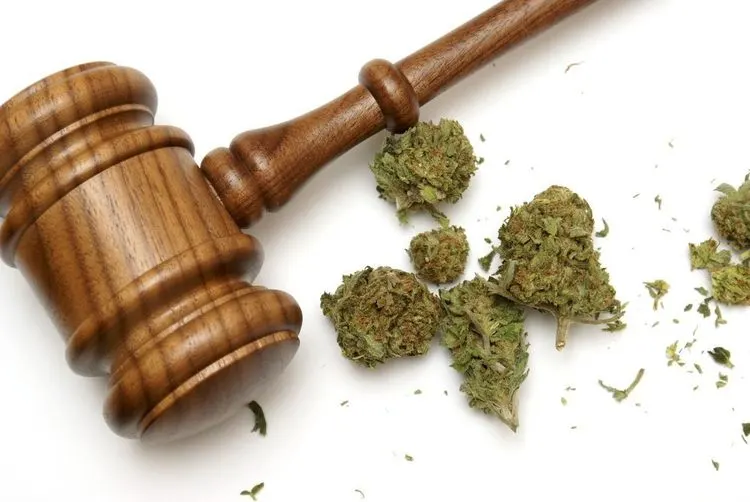
Amid a spate of drug liberalizations for cannabis and psychedelics in several US states and cities, Oregon took the unprecedented move of decriminalizing harder drugs like cocaine, heroin, LSD, oxycodone, and methamphetamine. Petitioners for the electoral measure say the tremendous victory will significantly curb racially motivated drug arrests and reinvigorate the push for harm-reduction measures such as safe injection sites.
Similar legislation was called for by British Columbia health officials north of the border last year to tackle a worsening opioid epidemic and break down barriers for drug users. Rather than enact provincial reform, Prime Minister John Horgan urged the federal government to decriminalize drug possession in July this year, a move that has been criticized by some as "passing the buck". On election day, state voters approved Measure 110, which classifies possession of small amounts of street drugs as a civil offense with a maximum fine of $ 100 and no possible jail sentence. Someone can avoid the fine altogether by attending a health exam and potentially relating them to treatment services.
The penalty for possession of large quantities of these drugs is reduced from a criminal offense to an administrative offense, while the consequences for the sale and manufacture of these drugs remain the same. The measure will also shift cannabis tax revenues that previously went to other programs such as schools into a new addiction treatment fund. The state will add at least $ 57 million a year to the fund, some of which will be used to set up addiction treatment centers across the state.
Due to the anti-drug stigma and Covid-related campaign restrictions, they struggled to get enough signatures for the measure to stand for the election, says Anthony Johnson, the main proponent of the Vote Yes on 110 campaign. But in the end it was victory huge. "An initiative that would end thousands of drug arrests and convictions while funding more treatment and recovery programs was a dream come true," he says. Johnson believes the move and the new fund will spark a boost to harm reduction efforts and potentially reinvigorate past efforts that have not worked, such as pushing for safe injection sites in Portland.