
Olympic Gold Medals Worth Their Weight in Gold, Literally
The Paris 2024 Olympics showcase the most valuable gold medals in history as metal prices surge to record highs.

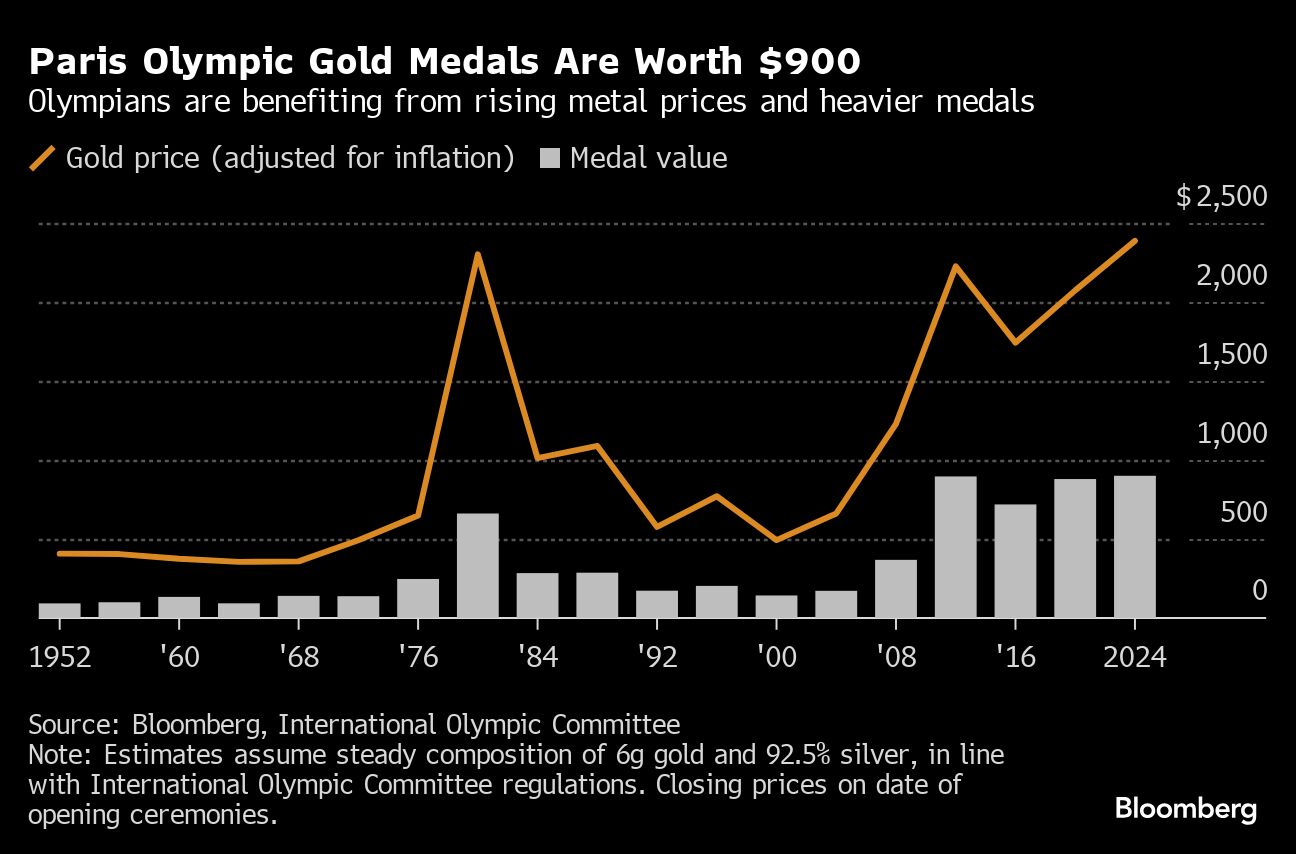
Olympic gold medals have always been a symbol of the pinnacle of athletic achievement. However, their value has never been just symbolic—these medals are made from precious metals, and as the prices of these metals soar, the intrinsic value of an Olympic gold medal has reached unprecedented heights. As the Paris 2024 Olympics approach, the medals awarded this year could fetch approximately $900 each, thanks to the skyrocketing prices of the metals they contain.
Historical Significance of Olympic Medals
Olympic medals have a storied history that dates back to the inaugural modern Olympic Games in 1896. Originally, gold medals were made of solid gold, but due to the high cost, the composition has evolved over time. Despite these changes, the allure and significance of winning an Olympic gold medal remain as powerful as ever.
Composition of Olympic Gold Medals
Contrary to popular belief, modern Olympic gold medals are not made entirely of gold. Today’s medals are primarily composed of silver, with a thin layer of pure gold plating. Specifically, each gold medal contains about six grams of gold, which accounts for a small fraction of the overall weight. The remainder of the medal, at least 92.5%, is composed of silver, which itself has seen a substantial increase in value.
Factors Contributing to the Surge in Gold Prices
The value of gold has surged to record levels, influenced by several key factors:
- Central Bank Buying: Central banks, particularly in emerging markets, have been aggressively purchasing gold to diversify their reserves, driving up demand.
- Increased Retail Interest in China: Chinese consumers have shown a growing appetite for gold, both as an investment and a hedge against economic uncertainties.
- Easing US Monetary Policy: Expectations that the US Federal Reserve will ease monetary policy have weakened the dollar, making gold more attractive as a safe-haven asset.
Silver Prices on the Rise
Silver, which constitutes the majority of the weight in Olympic gold medals, has also seen a significant price increase. The demand for silver has been bolstered by its essential role in various industries, including electronics and renewable energy. As a result, the cost of producing an Olympic gold medal has increased, making the medals more valuable than ever before.
Inflation and Its Impact on Medal Value
Even when adjusted for inflation, the value of the 2024 Olympic gold medals is the highest in history. This inflation-adjusted value reflects not only the increased cost of raw materials but also the growing prestige associated with winning an Olympic medal. Athletes who compete in Paris this year will hold in their hands the most valuable Olympic medals ever produced.
The Real Value of Olympic Gold Medals
With the raw materials alone valued at approximately $900, the 2024 Olympic gold medals are setting a new standard for value. This figure represents a significant increase compared to previous Olympics, where the materials were valued at much lower prices. The soaring cost of gold and silver has turned these medals into valuable assets, though their true worth goes far beyond their material composition.
Beyond the Medal: Rewards for Olympians
While the medals themselves are valuable, Olympians often receive additional rewards that far surpass the monetary value of the medals. These rewards can include cash prizes, exemptions from military service, and other unique gifts. For instance, Carlos Yulo, the Philippines' first male gold medalist, was awarded a fully furnished condo and a lifetime of free colonoscopies—a testament to the diverse and often surprising nature of these rewards.
Market Value of Sold Medals
In rare instances where Olympic medals are sold, they can fetch far more than their intrinsic metal value. The price of a medal at auction is influenced by the historical significance of the event and the athlete who won it. One of the most famous examples is the sale of Jesse Owens' gold medal from the 1936 Berlin Olympics, which sold for nearly $1.5 million in 2013. This sale highlighted the immense historical and sentimental value that can be attached to these awards.
The Sentimental Value of Olympic Medals
Despite their substantial material value, most Olympians choose to keep their medals rather than sell them. The emotional and symbolic significance of an Olympic medal often outweighs its financial worth. These medals represent years of dedication, sacrifice, and the fulfillment of lifelong dreams, making them priceless to the athletes who earn them.
Paris 2024: A New Era for Olympic Medals
The Paris 2024 Olympics will introduce a unique design element in the medals: a small piece of the Eiffel Tower embedded in each one. This inclusion not only ties the medals to the host city but also adds a layer of historical and cultural significance. The Eiffel Tower's presence in the medals symbolizes the blend of tradition and modernity that defines the Paris Games.
The Environmental Impact of Medal Production
As the world becomes more environmentally conscious, the production of Olympic medals has also evolved to reflect these values. The International Olympic Committee (IOC) has made efforts to ensure that the metals used in the medals are sourced sustainably. This commitment to environmental responsibility aligns with the broader goals of the Olympics to promote sustainability and global awareness.
The Future of Olympic Medals
Looking ahead, the value of Olympic medals is likely to continue rising as the prices of precious metals increase. Future medals may see changes in their composition, possibly incorporating new materials or design elements. The ongoing evolution of Olympic medals reflects the dynamic nature of the Games themselves, which constantly adapt to changing global circumstances.
Public Perception of the Value of Olympic Medals
The public's perception of the value of Olympic medals is shaped by both their material worth and their symbolic significance. Media coverage often highlights the financial aspect, but for many, the true value lies in the achievement they represent. The combination of these factors ensures that Olympic medals remain among the most coveted and revered awards in the world.
Conclusion
The value of Olympic gold medals has never been higher, both in terms of the materials they contain and the symbolic weight they carry. As the Paris 2024 Olympics approach, these medals represent not only the pinnacle of athletic achievement but also a significant financial asset. While most Olympians will treasure their medals for the memories and achievements they symbolize, the increasing value of the materials used ensures that these medals will remain valuable in every sense of the word.