
Japan Approves 20 More Years for Takahama Nuclear Reactors
Extending the Operational Life of Nuclear Reactors: A Step Towards Energy Stability in Japan
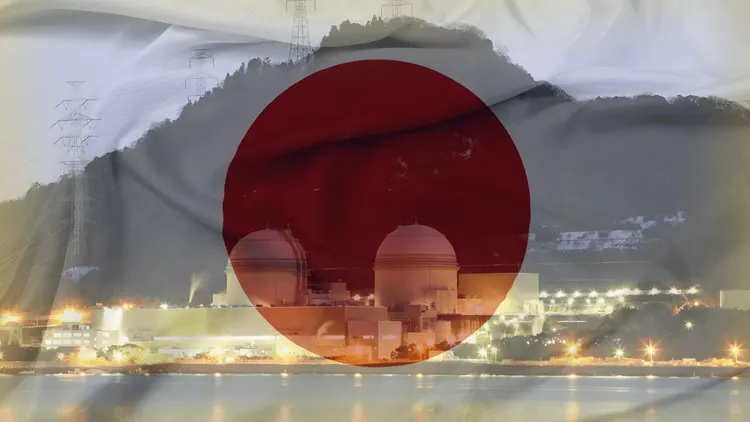
Japan's Nuclear Regulation Authority (NRA) recently approved the operating life extensions for two more reactors at Kansai Electric Power Co.'s Takahama nuclear power plant. This decision, allowing Takahama No. 3 and No. 4 reactors to operate for an additional 20 years, marks a significant milestone in Japan's nuclear energy landscape. But what does this mean for the country's energy future?
Background of the Takahama Reactors
The Takahama No. 3 and No. 4 reactors, which began operation in 1985, are the seventh and eighth reactors in Japan to receive such an extension. These reactors are set to reach 40 years of operation in January and June 2025, respectively. The approval follows a history of similar extensions, including the Takahama No. 1 and No. 2 reactors, and others at the Mihama nuclear plant, Tokai No. 2 plant, and the Sendai plant.
The Approval Process
The NRA’s approval process is rigorous, ensuring that reactors meet stringent safety standards. Kansai Electric Power Co. applied for the extensions in April of the previous year, following comprehensive special inspections. The NRA concluded that the reactors met all the required standards for extended operation, as no issues were identified in the ultrasonic and visual inspections.
Technical Aspects
The special inspections included detailed ultrasonic and visual checks. These inspections are crucial for detecting any potential flaws or wear in the reactor components. Safety measures have also been upgraded to meet modern standards, ensuring the continued safe operation of the reactors.
Regulatory Changes
In May 2023, Japan enacted the green transformation electricity law, which plays a crucial role in this approval. This law allows nuclear reactors to operate beyond 60 years by excluding periods of suspension for regulatory inspections. This regulatory change is pivotal for extending the operational life of nuclear reactors in Japan.
Impact on Japan’s Energy Sector
Nuclear power remains a significant part of Japan’s energy mix. The extension of these reactors helps stabilize the country's energy supply, providing a reliable source of power. Compared to renewable energy sources, nuclear power offers a consistent output, essential for meeting Japan’s energy demands.
Environmental Considerations
One of the key environmental benefits of extending the life of nuclear reactors is the reduction in carbon emissions. Nuclear energy is a low-carbon source, and its continued use helps Japan meet its climate goals. However, nuclear waste management remains a critical issue that requires ongoing attention and innovation.
Public and Political Reactions
Public opinion on nuclear energy in Japan is mixed, influenced by past nuclear incidents. Politically, there are both supporters and opponents of nuclear energy. The decision to extend the reactor operations has sparked debates, reflecting the complex views on nuclear energy within the country.
Economic Implications
From an economic perspective, the extension of reactor operations offers several benefits. It reduces the need for costly new infrastructure and supports local economies, particularly in Fukui Prefecture, where the Takahama plant is located. The decision also underscores the economic viability of maintaining existing nuclear facilities.
Future of Nuclear Energy in Japan
Looking ahead, Japan has plans for further reactor extensions. The long-term vision includes maintaining a balanced energy mix, where nuclear power continues to play a crucial role. The country aims to leverage advancements in nuclear technology to enhance safety and efficiency.
Comparison with Global Trends
Globally, nuclear energy policies vary. Some countries are expanding their nuclear capacity, while others are phasing it out. Japan’s decision to extend reactor operations places it among nations that see nuclear energy as a key component of their energy strategy, balancing safety concerns with energy needs.
Challenges and Controversies
Despite the benefits, there are challenges and controversies associated with nuclear energy. Safety concerns remain paramount, especially given Japan’s history with nuclear incidents. Learning from past experiences, the industry continues to improve safety protocols and technologies.
Technological Innovations
Technological advancements in nuclear reactor design and operation are critical for the future. Innovations such as small modular reactors (SMRs) and improved safety systems promise to enhance the safety and efficiency of nuclear power. These technologies could revolutionize the industry, making nuclear energy safer and more sustainable.
Stakeholder Perspectives
Stakeholders, including Kansai Electric Power Co. and regulatory bodies, have varied perspectives on the extensions. Kansai Electric emphasizes the safety and economic benefits, while regulatory bodies focus on stringent safety standards and oversight. Experts in the field provide insights into the technical and environmental implications.
Conclusion
The decision to extend the operational life of Takahama No. 3 and No. 4 reactors is a significant step for Japan’s energy future. It underscores the importance of nuclear power in the country’s energy strategy, balancing safety, environmental, and economic considerations. As Japan navigates its energy challenges, nuclear power remains a pivotal component of its journey towards a sustainable and reliable energy supply.