
India's Drive for Lithium Independence: Seeking Overseas Partnerships
Navigating the Global Landscape: India's Pursuit of Lithium Independence
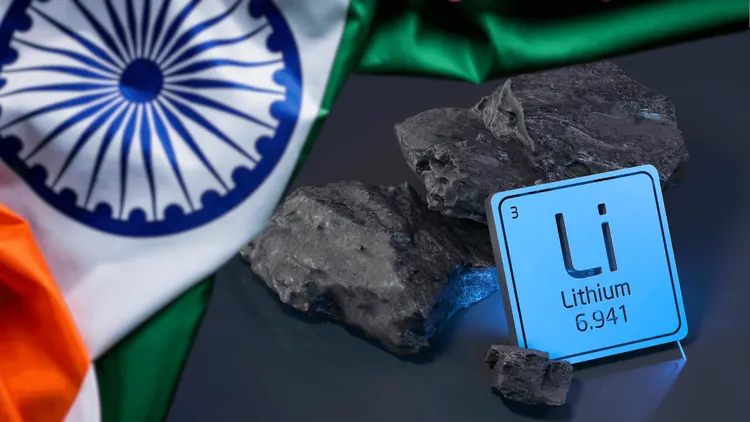
India, as a major player in the global push towards sustainable energy solutions, is intensifying its efforts to secure a foothold in the crucial arena of lithium processing. In recent developments, the country has initiated discussions with various overseas partners to bolster its capabilities in this critical sector, aiming to reduce reliance on China and foster self-sufficiency in lithium mining and electric vehicle (EV) industries.
India's Ministry of Mines has embarked on a proactive strategy, engaging in talks with prominent nations renowned for their expertise in lithium processing. Among these partners are stalwarts like Australia and the United States, where discussions have gained momentum since last year. Additionally, India has reached out to other countries including Bolivia, Britain, Japan, South Korea, and even Russia, seeking technical assistance and collaboration in this endeavor.
These initiatives underscore India's determination to cultivate a robust lithium mining industry, a crucial component in the production of batteries for EVs. With the looming specter of climate change and escalating concerns over carbon emissions and oil dependence, India recognizes the imperative of transitioning towards greener energy alternatives. By harnessing the potential of lithium, India aims not only to mitigate its environmental footprint but also to bolster its energy security by reducing reliance on fossil fuels.
The involvement of Russia's TENEX, a subsidiary of the state-owned nuclear energy company Rosatom, adds a significant dimension to India's pursuit of lithium processing capabilities. With proposals for technology transfer and potential collaborations with Indian entities, Russia's overtures highlight the global interest in India's burgeoning EV market and its quest for self-reliance in critical industries.
However, the journey towards achieving self-sufficiency in lithium processing is fraught with challenges and complexities. Despite the enthusiasm and support from overseas partners, analysts caution that the road to commercialization may be arduous. From securing mining rights to navigating the intricacies of ore processing and metal extraction, India faces a steep learning curve that demands time, resources, and technical expertise.
Furthermore, the shadow of China looms large over India's aspirations in the lithium domain. As the world's foremost hub for lithium processing, China commands a dominant position, controlling a significant portion of the global supply chain. India's dependence on Chinese expertise for processing underscores the urgency of developing indigenous capabilities and reducing reliance on external sources.
In response to these challenges, the Indian government, through its premier policy think tank NITI Aayog, has proposed a slew of incentives to incentivize the establishment of lithium processing plants. These measures aim to catalyze investments in the battery industry and facilitate the transition towards a sustainable, self-reliant future.
In conclusion, India's quest for overseas assistance in lithium processing signifies a strategic shift towards self-sufficiency and sustainability in its energy landscape. While the path ahead may be fraught with obstacles, India's unwavering commitment to innovation and collaboration bodes well for its emergence as a global leader in the clean energy revolution.