
Emmanuel Macron and Marine Le Pen in runoff
President and rival qualify for the second ballot on April 24th
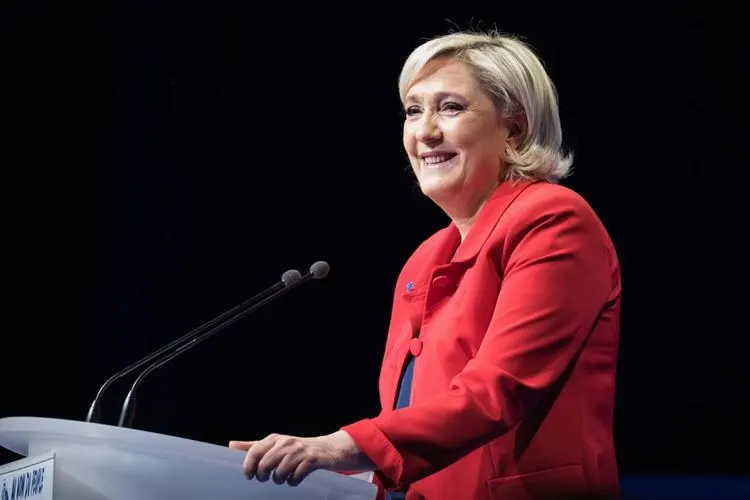
Emmanuel Macron will face his rival Marine Le Pen in the second and final phase of the French presidential election on April 24 after they beat the other candidates in the first round of voting on Sunday, according to estimates.
After counting more than 90 percent of the votes, according to estimates by the polling institutes, Macron was around 28 percent in the first round, ahead of Le Pen with 23 percent and the left-wing extremist candidate Jean-Luc Mélenchon with 21-22 percent.
The result of Sunday's vote suggests Le Pen, 53, is closer than ever to seizing power for the far right in France and nationalist victories for Donald Trump in the US and pro-Brexit supporters in the UK Kingdom to emulate six years ago.
Two polls conducted on Sunday after the first round of voting suggested Macron would narrowly beat Le Pen in the runoff. In a poll of 1,500 people, Elabe concluded that Macron would win the runoff 52-48 percent, which was within the margin of error, while an Ipsos poll of 2,000 people showed he would win 54-46.
Le Pen is skeptical of the EU, has said she wants to withdraw from NATO's military command structure and has been an admirer of Russian President Vladimir Putin in the past. A Le Pen victory would shake Europe and the world at a time when Russian forces in Ukraine are waging war on European soil.
Le Pen told her supporters that the final vote in two weeks will decide the fate of "society and even civilization" and that if it wins, it will restore the country's "prosperity and greatness." She wants to be president of "all French people".
While Le Pen spoke of the need to fight immigration and restore law and order, Macron told his supporters that he stood for "progress and openness". While he wants to combat Islamist "separatism," he rejects xenophobia and the idea of preventing Muslims and Jews from eating according to their religious rules.
"It's not us," he said. "Make no mistake. This competition is not over yet and the debate we are going to have over the next two weeks will be crucial for our country and for Europe... I want a France that is in a strong Europe is rooted."
Both Macron and Le Pen immediately went after the losing candidates' votes. Macron named and thanked each of the 10 candidates who did not qualify for the first round, urging his supporters to show them respect.
Eric Zemmour, the anti-immigration TV polemicist who briefly eclipsed Le Pen after entering the race last year, is expected to take 7 percent of the vote in the first round - and most of his supporters have told pollsters they believe Le Pen will assist in the second round.
Sunday's results underscore the collapse of support for the traditional parties left and right - the Socialists and the conservative Les Républicains, which led all French presidents between 1958 and Macron's victory in 2017 - and the rise of the nationalist extremes.
Valérie Pécresse, the Conservative candidate, is expected to receive just 5 percent of the vote in the first round. Yannick Jadot of the Greens also gets 5 percent and Anne Hidalgo, the mayor of Paris and Socialist candidate, gets 2 percent.
Both Macron and Le Pen did slightly better in the first round than in 2017, and it appears voters have been late in flocking to the two frontrunners.
In her third presidential campaign, Le Pen has surged in opinion polls in recent weeks after emphasizing concerns about the rising cost of living, while prices for petrol, diesel and other commodities have soared in the wake of Russia's attack on Ukraine was.
She said she would crack down on Islamists and immigration, and would ban women from wearing the veil in public on the grounds that it was an "Islamist uniform."
Liberal internationalist Macron - embroiled in intense NATO, G7 and EU negotiations over sanctions on Russia and support for Ukraine - entered the campaign late, losing his initial poll lead as he tried to dissuade voters convince them that they should give him a second five-year term at the Elysée Palace.
Macron argues that Le Pen as president would pose a threat to France, the EU and the western alliance and has slammed her protectionist economic program as incoherent and unfundable. His manifesto envisages pursuing reforms and tax cuts to modernize the economy and attract foreign investment, while aiming for full employment.