
According to a new survey 70% of clinicians believe in Cannabis therapies
The plant should be used more often to cure chronical ill patients.
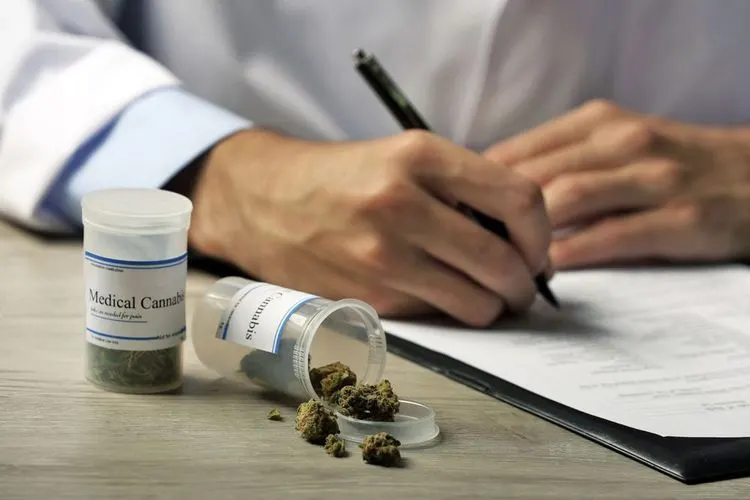
The overwhelming majority of clinicians in the US believe cannabis has medicinal value, according to a new survey released last month. The results, published in the journal Cannabis and Cannabinoid Research, showed that nearly 70 percent of clinicians surveyed "believe cannabis has medicinal benefits," while just over 26 percent said they recommended marijuana to patients. "Clinicians who believed cannabis had medicinal benefits had a 5.9-fold higher adjusted probability (95% confidence interval 3.9-8.9) of recommending cannabis to patients," wrote the researchers participating in the survey. "Beliefs about the conditions for medical cannabis use did not necessarily coincide with current scientific evidence. Almost two-thirds (60.0%) of the clinicians surveyed misrepresented the legal status of cannabis in their state." In conclusion, they added, "The results suggest that while clinicians believe that cannabis has medicinal uses, they may not have a full understanding of the scientific evidence and that they may not follow their government policies on cannabis legalization and use Understand. Given that clinicians are responsible for recommending medicinal cannabis in most states that have legalized medical cannabis, ongoing education about the health effects of cannabis is warranted. " The results of the survey are insightful, although probably not that surprising. Medical cannabis has been legalized in more than 30 states across America, favored by a prevailing belief in its medicinal value among professionals. The survey is based on data from "1506 general practitioners, internists, nurses and oncologists who participated in DocStyles 2018, a web-based panel survey of clinicians." "The questions assessed cannabis-related medical uses and practices and assessed clinicians' knowledge of the legality of cannabis in their state. Logistic regression was used to assess multivariable correlates of asking for, rating, and recommending cannabis "wrote the researchers when explaining the methodology. The authors said their research was among "the first to evaluate clinicians' beliefs and practices regarding medical cannabis in a multi-state US sample". "The results of this study suggest that the highest prevalence conditions for which clinicians said they believed cannabis could be used medicinally were scientifically founded - pain, nausea, appetite stimulation, anti-epilepsy and spasticity," write. NORML's deputy director Paul Armentano pointed to the poll as a reason politicians and governments shouldn't hinder patient access to medical cannabis. "An overwhelming majority of patients and their providers recognize that cannabis is a legitimate medicine. Politicians shouldn't stand in their way by opposing efforts to allow medical professionals to recommend cannabis to their patients in cases where they can believe it is therapeutically appropriate, "Armentano said in a statement. Poll results, stating that clinicians believe cannabis has medicinal value, are also in line with public opinion, with polls routinely showing that majorities support not only medicinal cannabis but legalizing the recreational use of weed. Medical cannabis is also increasingly viewed as a safer alternative to stronger prescription drugs. A survey published last month found that 61 percent of medical cannabis patients in Texas use weed as a substitute for prescription drugs. The survey was conducted by Rice University's Baker Institute for Public Policy.